
How to Choose the Right Immersion Gear for Winter (Without Automatically Jumping to a Drysuit)

Updated: Nov 29, 2025
Cold water doesn’t care how experienced you are — it demands respect. But not everyone wants, needs, or can afford a full drysuit, and the good news is: there are several safe, proven ways to stay warm on the water.
Whether you’re winter sea kayaking, playing in surf or whitewater, or just getting started, here’s a practical breakdown of the different immersion gear systems, their pros/cons, and who they’re best for.
Why Immersion Gear Matters
Any time the water is cold enough to cause cold shock (typically below 15°C), you need clothing that will buy you time, protect your core temperature, and still let you paddle comfortably. The right setup depends on:
The kind of paddling you do
Your budget
Your tolerance for cold
How likely you are to swim
How long you’ll be on the water
Let’s go through the main options.
1. Farmer John/Jane Wetsuit + Splash Top
Best for: Budget-conscious paddlers, people doing short outings, shoulder-season touring, recreational river paddling.
What it is: A sleeveless neoprene wetsuit paired with a lightweight, waterproof splash jacket. The Farmer John and Farmer Jane wetsuits from Level Six and NRS are both great choices.
Pros:
Most affordable cold-water setup
Good mobility in the shoulders
Provides insulation even when wet
Layering on a splash top adds wind protection
Durable and beginner-friendly
Cons:
Not fully dry — you will get wet
Not warm enough for long winter outings
Can feel cold in wind without a good outer layer
Use it when: You paddle close to shore, expect minimal immersion, and want simple, reliable insulation.

2. Neoprene Layering System (Pants + Shirt + Jacket)
Best for: Dragon boating, outrigger canoe, surf ski, fitness paddling, and SUP.
What it is: A mix of neoprene layers of varying thicknesses, often combined together based on the water temperature.
Pros:
Highly flexible and comfortable
Layer-able for changing temperatures
Great for active paddlers who generate heat
Works well with PFDs without bulk
Cons:
Still not dry
Not ideal for long swims
Can feel heavy when soaked
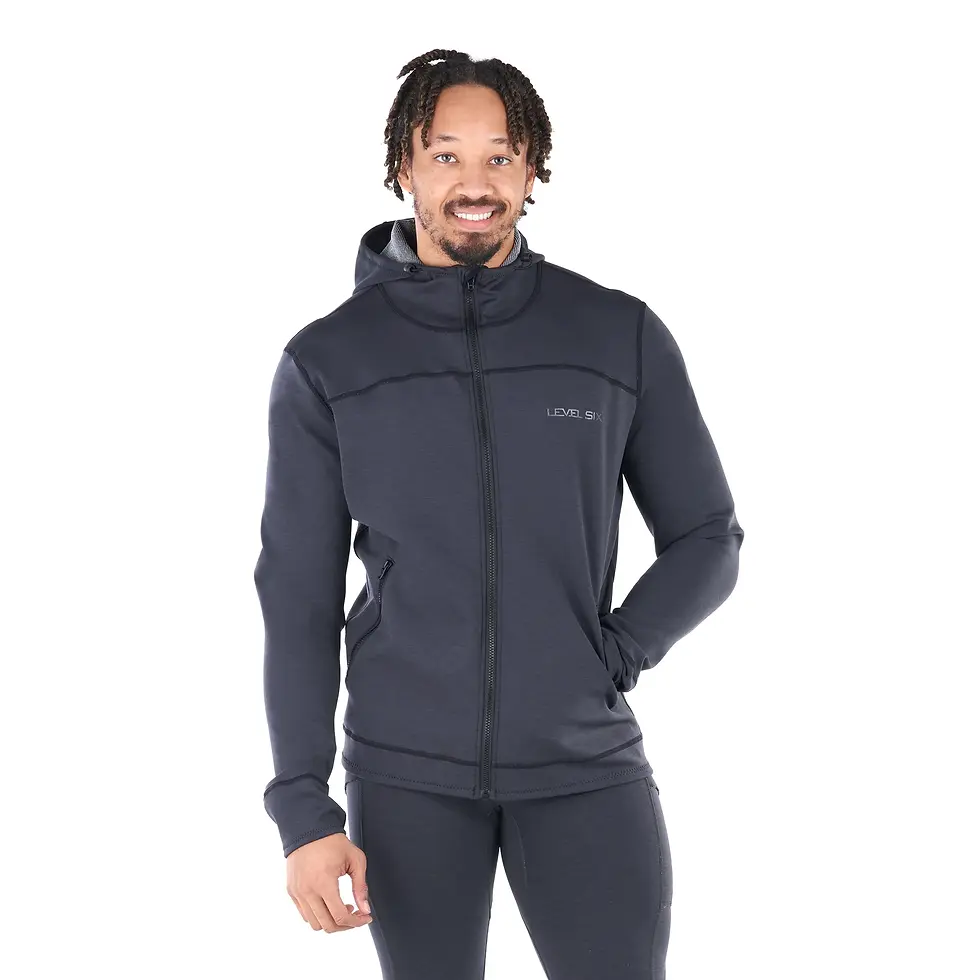
Use it when: You’re moving constantly, likely to get splashed, and want mobility without committing to a drysuit. Consider combining the Jericho Men's Long Sleeve Neoprene Top with the Jericho Men's Neoprene Pant and the Jericho Men's Neoprene Hoody or the Ignitor Jacket.
3. Splash Pant + Splash Jacket (Paddling Jacket)
Best for: Fair-weather touring, windy days, shoulder-season paddles, paddlers who rarely swim.
What it is: A waterproof/windproof shell system with adjustable seals.
Pros:
Light, breathable, inexpensive
Great for wind chill management
Very comfortable for long days
Pairs well with a warm base layer
Cons:
Not designed for immersion
Water will enter at the waist, neck and cuffs
Not a winter safety solution by itself
Use it when: You prioritize wind protection over immersion protection and stay close to shore. An example would be the Orange Canoe - Splash Jacket paired with the Endurance Splash Pant.

4. Dry Pants + Dry Top (a “Two-Piece Drysuit”)
Best for: Whitewater paddlers, surf paddlers, guides, instructors, and anyone who frequently practices rescues.
What it is: Two separate garments with tight latex or neoprene seals and built in dry socks. Together, they can approximate a drysuit when the tunnel overlap is sealed well.
Pros:
Much cheaper than a full drysuit
Offers real immersion protection
Versatile: wear pieces separately in shoulder season
Easier to fit different body shapes
Great mobility
Cons:
Not as reliable as a full drysuit
The waist seal can leak in long swims
Less convenient than a one-piece
Use it when: You want high immersion protection without the cost of a full drysuit, and you’re okay with a bit of moisture during prolonged swims. Our go-to combo is the Stratos Paddling Jacket with the Freefall Dry Pant.

5. Full Drysuit (One-Piece)
Best for: Winter sea kayaking, expedition paddling, serious whitewater, surf, and anyone paddling far from shore.
What it is: A waterproof/breathable suit with latex gaskets that keeps you completely dry.
Pros:
Maximum immersion protection
Safest option in cold water
Can be paired with warm layers underneath
Best for rescue and re-entry practice or rolling
Cons:
Most expensive system
Requires maintenance (zippers, gaskets)
Warm in summer
Use it when: You paddle far, paddle often, or paddle in truly cold water — and want the most reliable safety margin available.

We carry a range of drysuits that cover the needs of touring paddlers, whitewater paddlers, and year-round instructors. Here’s a quick guide to help you match models to your style:
Designed for whitewater. Tough fabric, durable construction, clean layout, and great freedom of movement — perfect for surfing, river running, and rolling practice.
A performance-focused whitewater suit built to handle abrasion and big-water moves. Ideal for paddlers who demand maximum mobility and ruggedness.
A premium suit designed for professionals and expedition paddlers. Heavy-duty construction + latex seals make it a go-to for guides and anyone spending major hours on the water.
6. Hybrid Systems (Semi-Dry Tops, CCS Seals, Neoprene Gaskets)
Best for: Paddlers who want comfort, low maintenance, and good protection without the squeeze of latex seals.
What they are: Tops or suits with water-resistant (but not fully watertight) seals such as neoprene or Mustang’s CCS system.
Pros:
Far more comfortable than latex
Good for touring or coaching
Still provide strong splash and wind protection
Cons:
Not fully immersion-proof
Not suitable for heavy whitewater or long swims
Use it when: You want comfort and dryness in typical touring conditions, but don’t plan to spend long periods submerged.

A lightweight, breathable touring drysuit built for long days on the water. Latex wrist gaskets, neoprene neck seal, and a storm hood = great mobility and all-day comfort. A favourite for coastal sea kayakers.
A touring-focused drysuit using Mustang’s CCS (Closed Comfort System) neck seal — soft, adjustable, and highly water-resistant (when cinched). Ideal for long days and cold coastal conditions.
How to Choose the Right System
Here’s a quick guide to match your paddling style with the right gear:
Whitewater:
Best: Full drysuit or dry top + dry pants
Good: Neoprene layering
Avoid: Basic splashwear alone
Winter Sea Kayaking:
Best: Full drysuit
Good: Semi-dry top + neoprene layers
Avoid: Splash-only systems
Fitness Paddling:
Best: Neoprene layering
Good: Farmer John/Jane with a good paddling jacket
Avoid: Drysuit (too hot)
Recreational/Beginner Touring:
Best: Farmer John/Jane with a good paddling jacket
Good: Splash pants and splash top (summer and shoulder season only)
Guiding/Instruction:
Best: Drysuit (comfort + safety)
Good: Semi-dry systems depending on activity
Final Thoughts
There’s no single “right” immersion system — just the one that fits your paddling style, your comfort level, and your budget. A thoughtfully chosen system can keep you warm, safe, and confident all winter long.
A $150 Farmer Jane with a reliable splash top is worlds better than paddling in cotton and hoping for the best. A neoprene layering system might be perfect for an active fitness paddler, and a full drysuit may be the most effective solution for the person who paddles rivers all winter long.
If you’re unsure what setup suits your style, come by the shop. We’re always happy to walk you through your options and help you find the gear that makes sense for your paddling.
Happy Paddling!
-CVKC Team


